↑
Lift
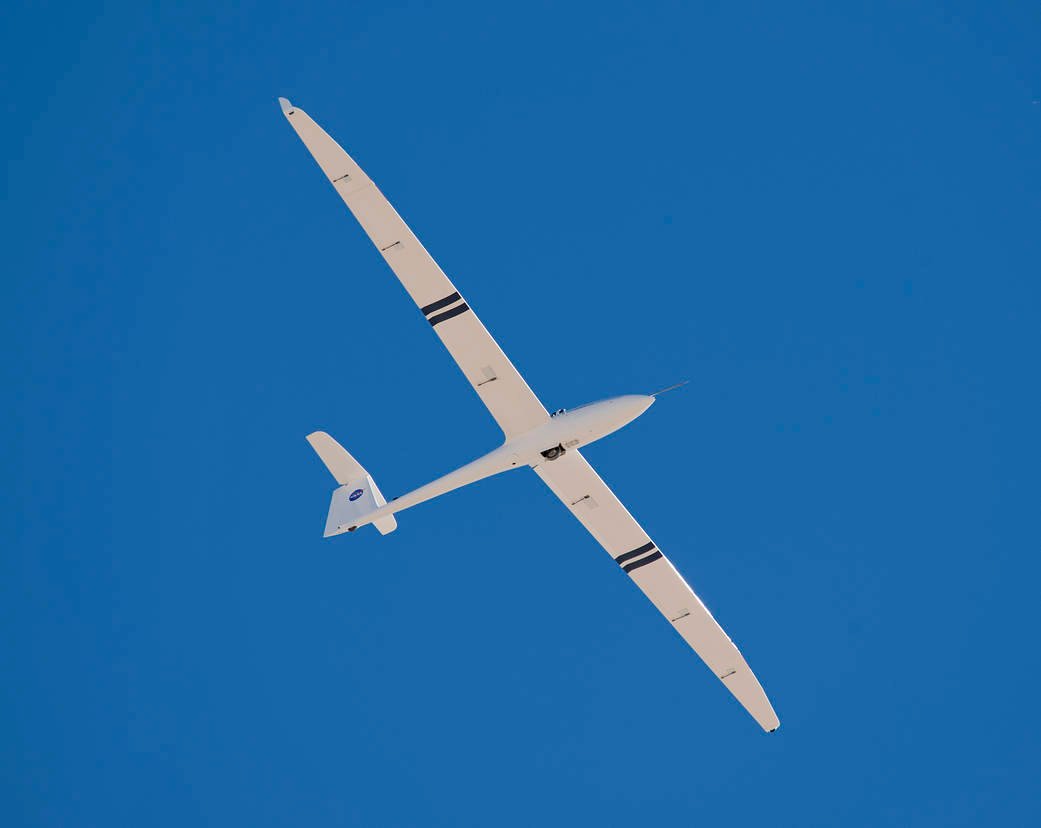
An aerodynamic force acting perpendicular to the flight direction. Wings provide most of an airplane’s lift.
From their first paper airplane to the spacecraft that explore our universe. Help curious kids discover how we fly, what we build, and where we could go next.
Airplanes · Helicopters · Drones · Rockets · Spacecraft
 Big questions begin with a little curiosity.
Aviation and space learning journeys, each with a hands-on activity, a real machine to discover, and a new question to explore.
Fold a wing. Trace a journey. Compare a helicopter with a rocket. Turn the science of flight into a shared adventure for kindergarten, primary school, and growing aerospace clubs.
Explore school programs ↗Why does a rocket have stages? How does a spacecraft get its power? What is it like to work above Earth?
Make space exploration feel close enough to ask about, draw, and understand.
Explore rockets & spacecraft ↗Discover aircraft and spacecraft through real photography, clear explanations, and questions that invite a closer look.
Use paper, card, simple models, and reusable classroom materials to explore structures, movement, and design.
Create a mission, choose an aircraft, and explain your choices. Every project is a chance to think a little further.
Get to know an airplane, helicopter, and rocket. Explore the names of their parts and discover why each one matters.
Keep exploring: NASA Glenn’s guide to airplane parts ↗
Forces are pushes and pulls. Their balance helps explain how an airplane moves through the air.
An aerodynamic force acting perpendicular to the flight direction. Wings provide most of an airplane’s lift.
Gravity pulls the airplane toward Earth. The aircraft, fuel, people, and cargo all contribute to its weight.
A propulsion system provides a push that helps the airplane move forward through the air.
Air resists motion. This aerodynamic force acts opposite the direction the airplane is moving.
Fold two paper gliders with different wing shapes. Use the same gentle launch in an open space. What do you notice?
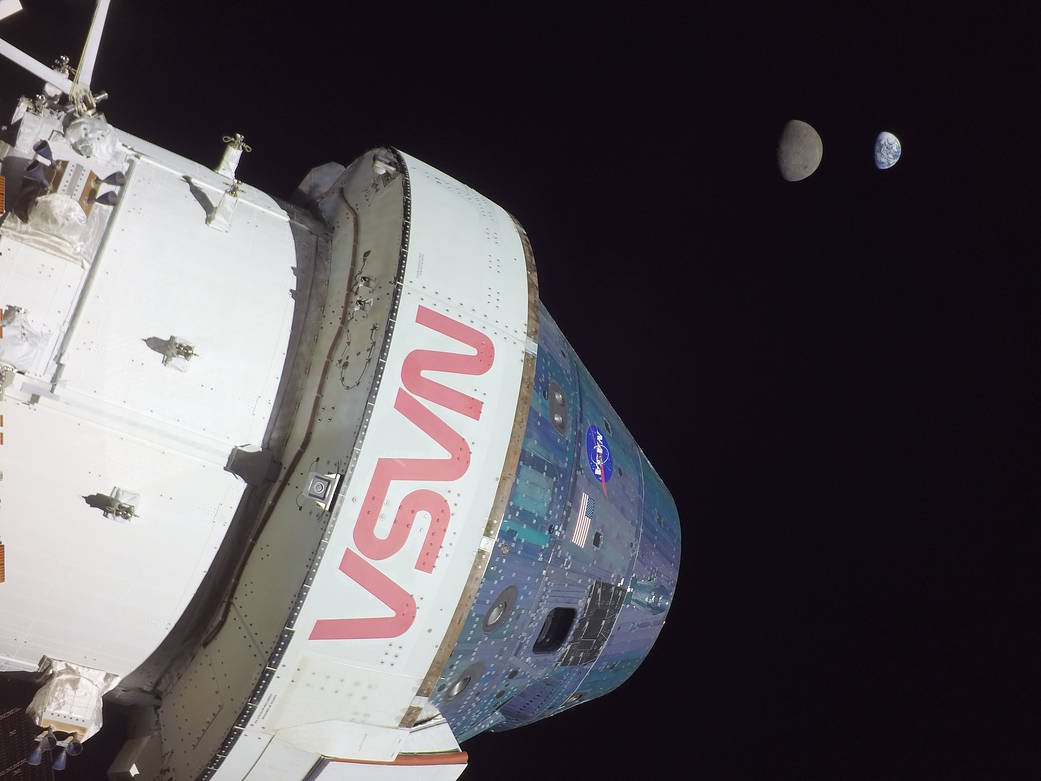
A wing needs air to generate aerodynamic lift. How does that make a spacecraft’s journey different from an airplane’s?
Compare a helicopter rotor and an airplane wing. Both move through air. What is different about their motion?
Make aviation and space a shared learning journey. Bring together observation, making, storytelling, geography, and the science behind moving through air.
Plan your school program ↗Kindergarten · Adult-led activities
Sort vehicles, build an airport from blocks, and tell a story about a journey. Use large materials and simple questions about where things travel.
Primary school · Guided discovery
Fold paper gliders, identify aircraft parts, and compare how a wing, rotor, and rocket work. Keep an observation journal together.
Older learners · Clubs & projects
Create mission briefs, investigate spacecraft systems, and present future travel ideas with drawings and thoughtful explanations.
Science meets geography, design meets language, and individual curiosity becomes teamwork.
Wings, fuselages, engines, rotors, landing gear, control surfaces, and the jobs they do.
Rocket stages, spacecraft power, scientific payloads, and what a mission is trying to discover.
Electric propulsion, drones, vertical takeoff, and the questions designers face when planning new journeys.
Send your school inquiry directly to contact@revoult.si.
Choose a vehicle, give your journey a purpose, and create your own mission card. Save your idea on this device or download a copy to keep.
Start your project ↗Think about the destination and the job. What would your aircraft or spacecraft need to do?
Our next chapter is a design workspace for wings, aircraft layouts, and virtual missions, with guided projects for families and classrooms.
Build a digital model, explore it from different angles, and return to develop your idea. The mission board above is available today; the digital design tools are coming later.
We welcome conversations with school suppliers, learning retailers, science centers, and education partners who want to help children discover aviation and space.
Start a partner conversation ↗Combine local knowledge with a love of learning. Let’s explore how Wingcopter could serve your schools and communities.
Help adapt language, classroom activities, and real-world examples for learners in your region.
Understand teachers’ needs and bring together schools, clubs, science museums, and education retailers.
Plan distribution, product guidance, educator support, and market-specific requirements together.
Send your partnership inquiry directly to contact@revoult.si.
Choose activities that match the learner, use suitable materials, and make room for an adult’s guidance. Good exploration starts with a clear plan.
Our activity cards use paper, card, drawing tools, and everyday classroom materials. Younger learners can explore with large pieces and adult support.
Try paper gliders in a clear area, away from people and fragile objects. The rocket activities are tabletop studies of structure and stages.
The Flight Studio saves locally on your device. It uses no child accounts and does not upload your mission. Download a copy whenever you want to keep it.
For powered models or drones, follow the product’s age guidance, supervision instructions, and applicable operating rules. Our downloadable activities do not require powered flight or rocket propellants.